
By Conal Healy
Many people have wondered – and are bemused – by our decision to go to France in November. It will be cold, they tell us. Some of the restaurants where we are going will be closed on certain days, we have been warned.
Isn’t seeing Paris in the spring THE thing?
There are a dozen other reasons NOT to go to France in November, but for us there are good reasons to jump on a plane from Australia and fly off to experience a European autumn.
For starters, France in November is regarded as “low season” – the airfares are cheaper for starters.
There are fewer tourists wandering around Montmartre.
And the weather is cooler.
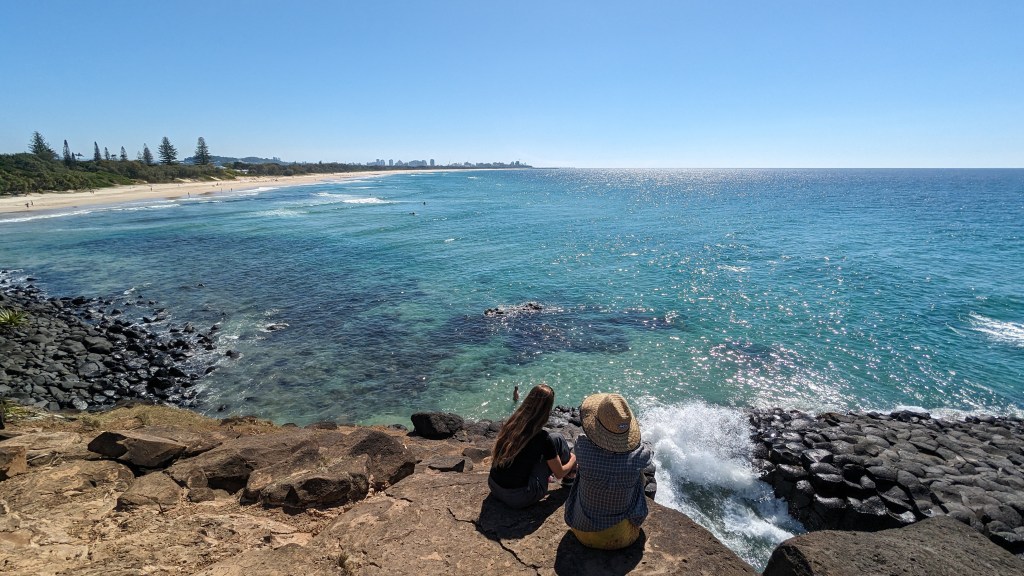
I should explain that Fran and myself live in one of the most pleasant places on the planet.
Northern New South Wales, Australia, is ALMOST the land of the endless summer.
In the winter months, you can still sunbake at the local beaches.
In winter months, you might need to wear a sweater at night times.
I have survived the last five winters without heating.
If you get cold in the evening watching TV, there is a blanket and a hot water bottle to keep you toastie.
Yes, going to France in November will mean that we will miss beach weather – swimming in the Med, surfing at Biarritz, or sipping cocktails at a fenced-off beach resort.
Am happy to give most European beaches a big swerve (especially as live so close to so many world-class beach in Northern NSW. Don’t tell anyone. It’s our secret.)
To us, sunshine and warmth are normal. We go on holiday partly to experience “different” weather.

Here are some of my favorite cold-weahthe holiday moments:
- Scraping frost off the car front windscreen in Ballarat, Victoria, in late autumn.
- Standing on the Great Ocean Road, Victoria, facing a storm straight off the Southern Ocean, in winter.
- Being blown away by icy-cold rain on the England/Scotland border in spring.
- Picking acorns off the ground in Bendigo in autumn.
- Sipping warm chicken soup on top of a snow-covered Untersberg, in Salzburg, Austria.
- Flying over The Cook glacier in New Zealand in winter in a small aircraft.
- Sipping hot chocolate while walking the streets of Brussels in January.
- Cutting down a Christmas tree in northern Massachusetts, in early December, when it was minus five.
- Standing in a frosty meadow in Yosemite looking at Half Dome.
You get the idea.
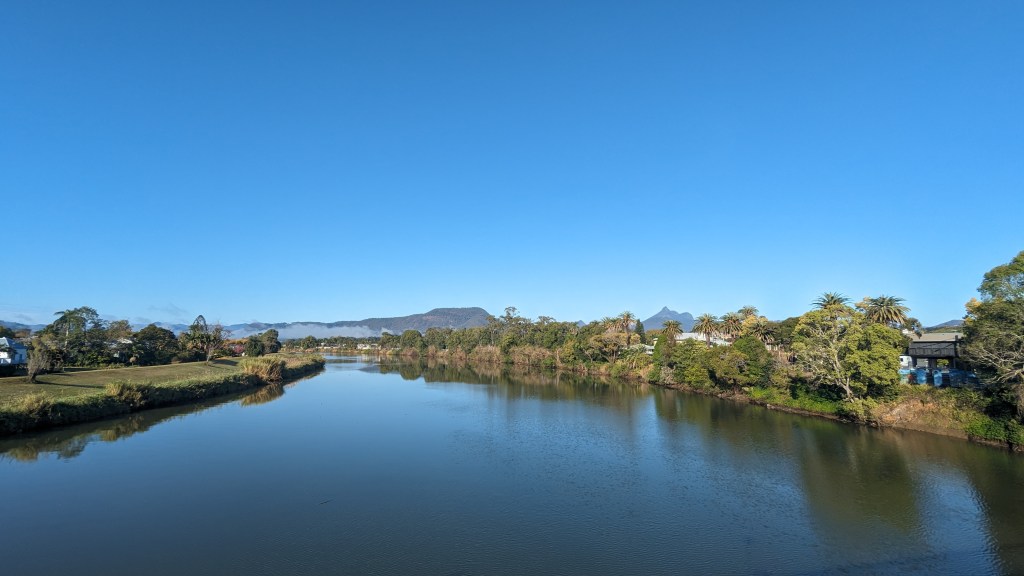
Weather stats for Murwillumbah, NSW, Australia
On average, October in Murwillumbah is the sunniest month with 255 hours of sunshine.
June has on average the lowest amount of sunshine with 195 hours.
On average, the total annual amount of sun is: 2715 hours
The best time of year to visit Murwillumbah in Australia
During the months of March, April, May, September, October, November and December you are most likely to experience good weather with pleasant average temperatures that fall between 20 degrees Celsius (68°F) and 26 degrees Celsius (79°F).
Other facts from our historical climate data:
Which months have the greatest rainfall in Murwillumbah?
Most rainfall (rainy season) is seen in January, February, March, April, May and December.
Which is the warmest month in Murwillumbah?
January has an average maximum temperature of 27°C (80°F) and is the warmest month of the year.
Which is the coldest month in Murwillumbah?
The coldest month is July with an average maximum temperature of 18°C (65°F).
Which is the wettest month in Murwillumbah?
February tops the wettest month list with 224mm (8.8in) of rainfall.
Which is the driest month in Murwillumbah?
September is the driest month with 48mm (1.9in) of precipitation.
Which is the sunniest month in Murwillumbah?
October is the sunniest month with an average of 255 hours of sunshine.
Source: https://weather-and-climate.com

The best time of year to visit Paris in France
The average weather in Paris is temperate year-round. Only during July and August the average temperatures run high and are the worst for crowds. Parisians desert their city, leaving it to the tourists.
The best time to visit Paris would be in spring (April-June) or fall (September-November), when things are easier to come by.
During the months of June, July, August and September you are most likely to experience good weather with pleasant average temperatures that fall between 20 degrees Celsius (68°F) and 26 degrees Celsius (79°F).
Other facts from our historical climate data:
Which is the warmest month in Paris?
July has an average maximum temperature of 26°C (78°F) and is the warmest month of the year.
Which is the coldest month in Paris?
The coldest month is February with an average maximum temperature of 7°C (45°F).
Which is the wettest month in Paris?
December tops the wettest month list with 63mm (2.5in) of rainfall.
Which is the driest month in Paris?
April is the driest month with 46mm (1.8in) of precipitation.
Which is the sunniest month in Paris?
July is the sunniest month with an average of 224 hours of sunshine.

 on the road less travelled in Ireland and france
Leave a comment